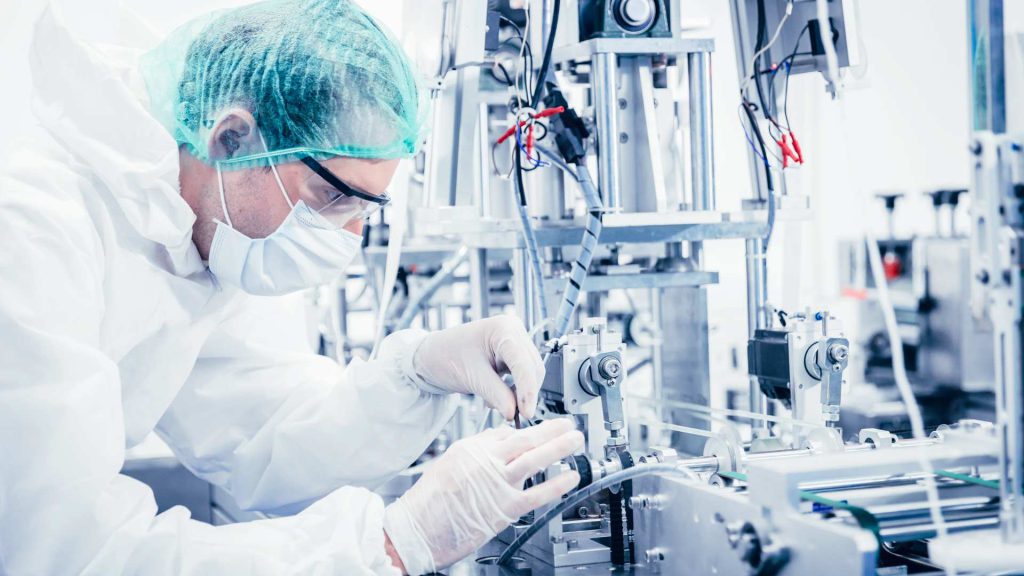
The healthcare industry is experiencing a remarkable transformation driven by innovation, data, and precision manufacturing. Patients and medical professionals alike rely on technology not only to improve treatment outcomes but also to ensure safety, accuracy, and trust. At the heart of this progress lies advanced medical product design, a multidisciplinary process that combines creativity, engineering, and human-centered thinking to produce reliable solutions that improve lives. Unlike conventional product development, medical design must meet stringent regulatory standards and ethical considerations while maintaining innovation at its core. Every detail—from ergonomics to sterilization process is carefully optimized to protect patients and empower clinicians to perform with confidence.
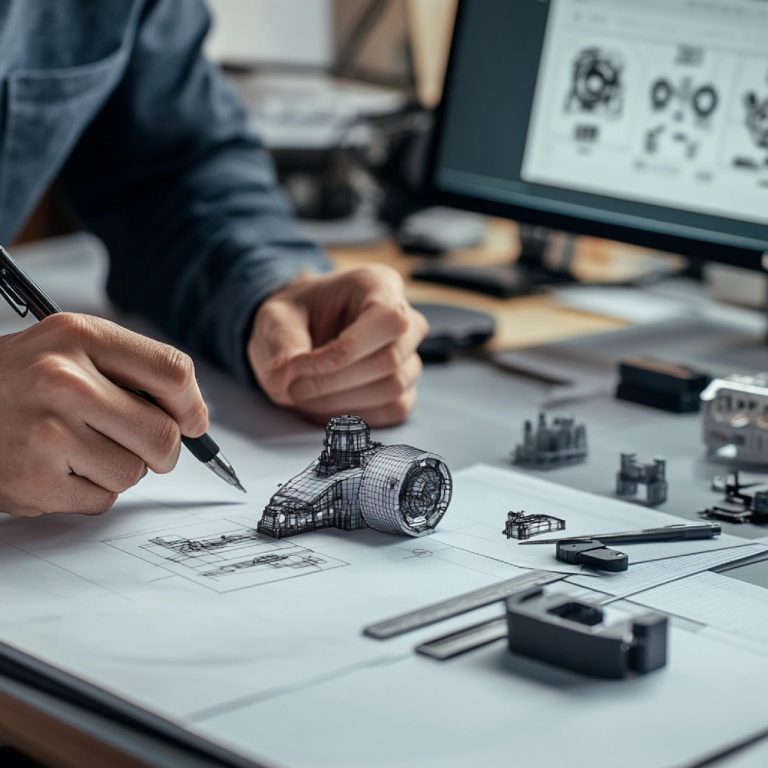
Advanced medical product design integrates modern technologies such as 3D modeling, additive manufacturing, and material simulation to streamline the journey from concept to clinical use. By employing digital prototypes and real-time testing, developers such as Librus can evaluate the safety, functionality, and usability of medical devices long before they reach the market. This approach minimizes risk, reduces development costs, and ensures that each product not only meets technical requirements but also supports human health in the most effective way.
Precision and Responsibility in Engineering
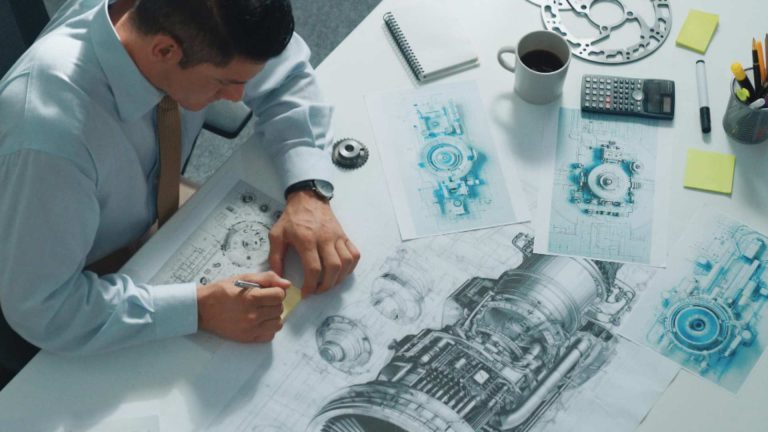
Behind every successful innovation in healthcare stands a foundation of rigorous engineering discipline. Medical product engineering plays a vital role in transforming conceptual designs into dependable, high-performance devices capable of functioning in critical environments. Engineers working in this field must balance creativity with regulatory compliance, ensuring that every design element meets international safety standards and can withstand demanding conditions inside hospitals and laboratories. Whether developing diagnostic instruments, wearable monitors, or surgical tools, the focus is always on precision, reliability, and patient comfort.
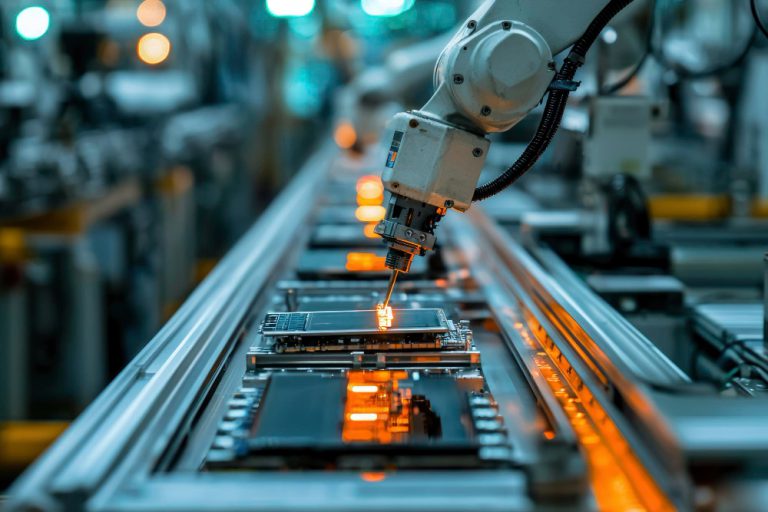
The process of medical product engineering involves continuous testing, data validation, and quality assurance. Advanced materials, including biocompatible polymers and smart sensors, are chosen for their durability, accuracy, and safety under sterilization procedures. As healthcare moves toward connected and data-driven systems, engineers are also integrating Internet of Things (IoT) capabilities into devices, enabling real-time monitoring and analytics. This fusion of engineering and digital intelligence ensures that modern medical products are not only functional but also adaptive and secure, reinforcing the trust between technology, professionals, and patients.
The Human-Centered Approach
While technology forms the backbone of medical innovation, human experience remains its guiding principle. Advanced medical product design emphasizes empathy and usability, ensuring that medical devices are intuitive and accessible to users of all skill levels. Designers invest considerable effort in studying the workflow of healthcare professionals, analyzing how devices are handled in different environments, and optimizing every interaction for efficiency and safety. This human-centered mindset reduces the potential for human error, shortens learning curves, and enhances patient outcomes.
Moreover, the collaborative relationship between designers, engineers, and medical experts is essential to the creation of meaningful solutions. Through iterative testing and user feedback, design teams gain valuable insights into real-world challenges. They can refine interfaces, improve comfort, and optimize device geometry based on actual clinical use. This continuous feedback loop ensures that every innovation is not just technically impressive but genuinely beneficial in practice.
Building Trust Through Innovation
Trust is the cornerstone of healthcare technology. Patients place their well-being in the hands of medical professionals who, in turn, rely on the tools and devices designed to support them. Advanced medical product design and engineering uphold this trust by maintaining transparency, accountability, and excellence at every step of the process. By combining strict adherence to regulatory frameworks with forward-thinking innovation, manufacturers can deliver products that inspire confidence in both caregivers and patients.
The fusion of creativity, engineering precision, and ethical responsibility is redefining how medical technology is developed and perceived. From life-saving implants to diagnostic devices and rehabilitation equipment, innovation in this field extends beyond function—it builds credibility and reassurance. As science and technology continue to evolve, the partnership between design and engineering will remain at the heart of progress, ensuring that safety, trust, and innovation continue to move the medical world forward. To receive a professional consultation, contact Librus today and our team will get back to you as soon as possible.