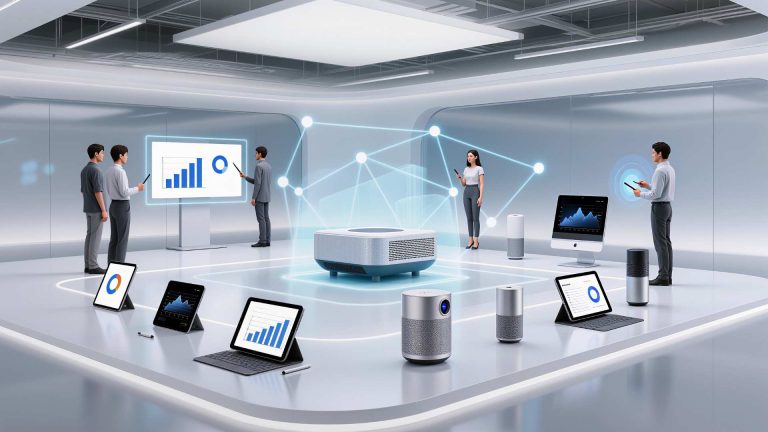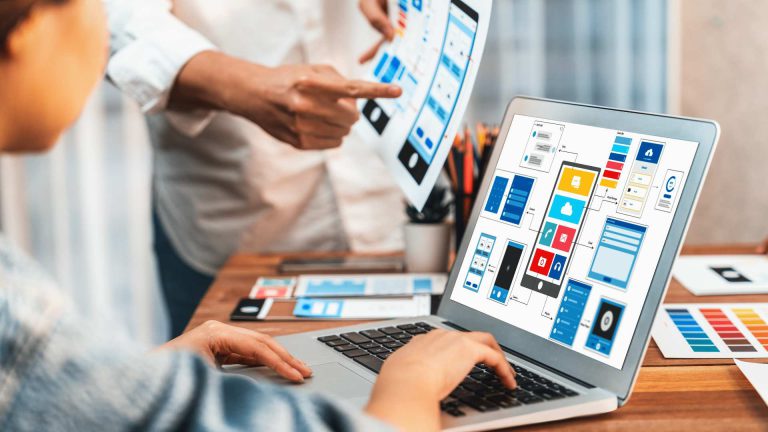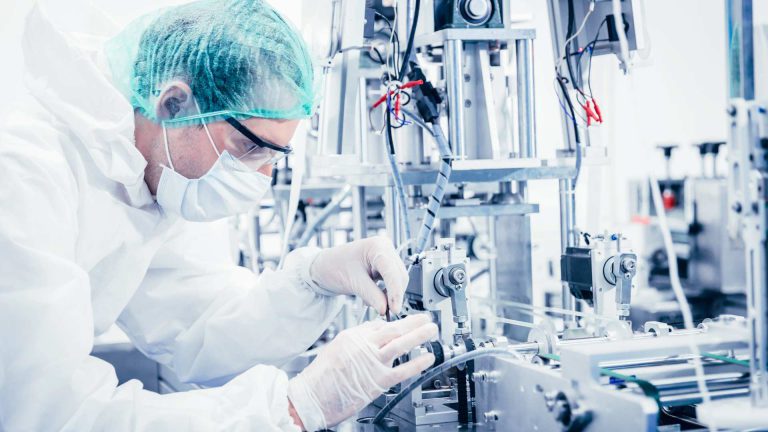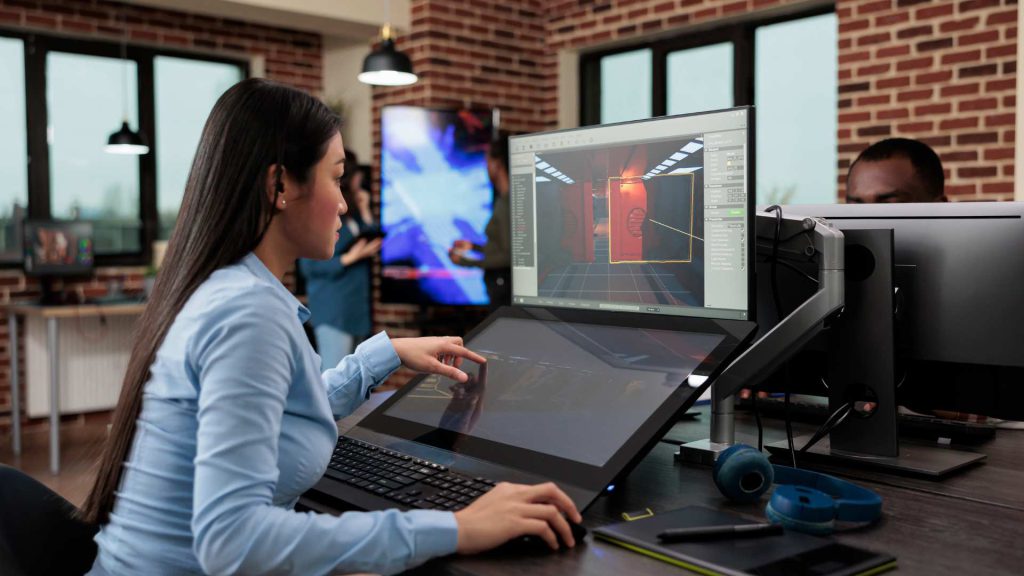
In the age of digital transformation, industries across the globe are redefining the way products are conceived, developed, and brought to market. The traditional divide between creativity and technical execution is dissolving, replaced by a new model where design and engineering work in perfect harmony. This shift has given rise to custom product engineering, a discipline that emphasizes adaptability, innovation, and precision at every stage of development. Unlike standardized production models that rely on repetition, custom engineering focuses on tailoring every detail to meet specific performance requirements, market expectations, and brand identities. This approach allows companies to innovate faster and create solutions that respond directly to user needs.
The heart of this evolution lies in collaboration. Design teams and engineers now work together from the very first stages of concept creation, using shared digital platforms and advanced simulation tools to explore form, function, and manufacturability simultaneously. This integration ensures that creativity does not come at the expense of structural integrity or production efficiency. Instead, it enables a process where experimentation thrives within defined technical boundaries, producing results that are both aesthetically compelling and industrially viable.
Where Creativity Meets Technical Discipline
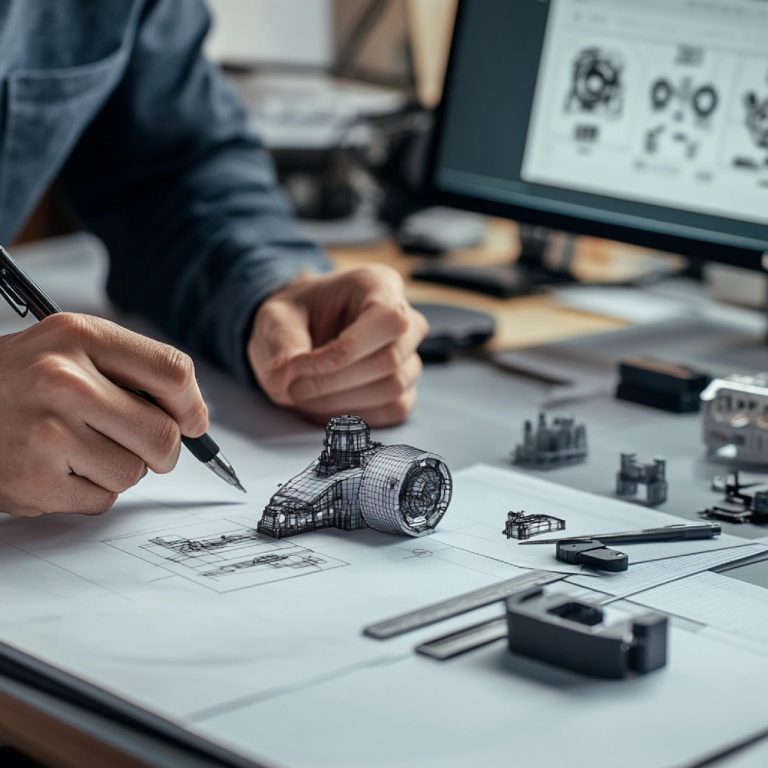
In Librus we believe that balancing creativity and precision are one of the defining challenges of modern industry. Designers must push the limits of innovation while engineers ensure that every product meets rigorous performance and safety standards. Custom product engineering bridges this gap by introducing flexible yet disciplined workflows that encourage continuous feedback between creative and technical teams. Through technologies such as 3D modeling, additive manufacturing, and digital prototyping, ideas can be visualized and tested long before production begins. This not only reduces risk but also fosters a culture of innovation grounded in real-world data.
Such an approach transforms the role of both designer and engineer. Designers are no longer confined to the aesthetic domain; they actively influence material selection, ergonomics, and assembly processes. Engineers, in turn, adopt a more creative mindset, exploring unconventional materials and geometries made possible by modern fabrication techniques. This cross-disciplinary cooperation ensures that every product reflects both artistic intention and mechanical perfection. Custom product engineering thus becomes the cornerstone of a process where creativity is not limited by technical constraints but guided by them.
The Value of Tailored Product Design Solutions
In today’s highly competitive market, differentiation is essential. Businesses that invest in tailored development gain not only performance advantages but also emotional connections with their customers. Product design play a crucial role in this pursuit. By combining user-centered design principles with advanced manufacturing methods, companies can create products that are visually appealing, functional, and easy to produce at scale. Digital design tools allow for precise adjustments, simulation of usage scenarios, and real-time collaboration between teams around the world.
Product design solutions also extend beyond the physical product. They encompass the entire experience surrounding it: how users interact with it, how it performs under different conditions, and how it aligns with brand values. When combined with engineering expertise, this holistic perspective ensures that products do not just meet expectations—they redefine them. The ability to move fluidly between conceptual creativity and analytical verification allows manufacturers to deliver products that are both original and reliable.
Innovation Through Integration
The success of modern manufacturing depends on the seamless integration of ideas, technologies, and people. Custom product engineering exemplifies this principle by providing a framework where innovation is not a one-time event but an ongoing process. Every iteration, prototype, and test contributes to a cycle of refinement that drives industries toward greater efficiency and sustainability. The adoption of smart manufacturing technologies and real-time analytics further enhances this process, allowing teams to optimize performance and reduce waste throughout the production lifecycle.
At its core, the balance between creativity and precision is not about compromise, it is about synergy. The future of industrial innovation belongs to organizations that understand this relationship and cultivate it across every level of their operation. By merging visionary design thinking with engineering excellence, they create products that embody both artistic expression and technical mastery. The collaboration between designers and engineers is not just reshaping the manufacturing process, it is defining a new standard of innovation where imagination and precision coexist as equal forces driving progress forward. Want to design your product with the right tools and team? Librus is here for you.