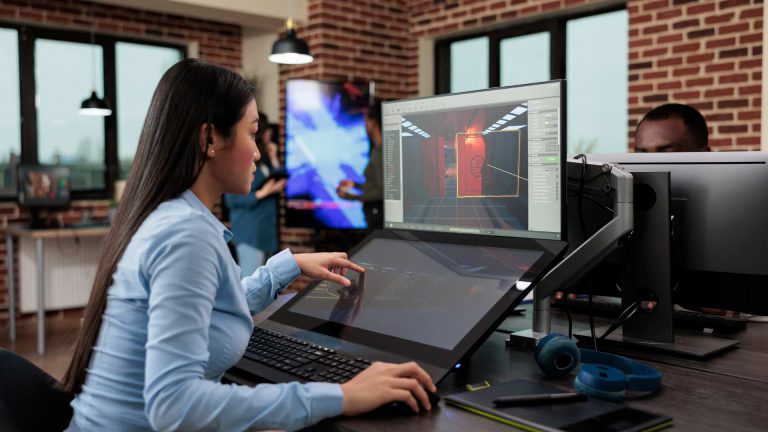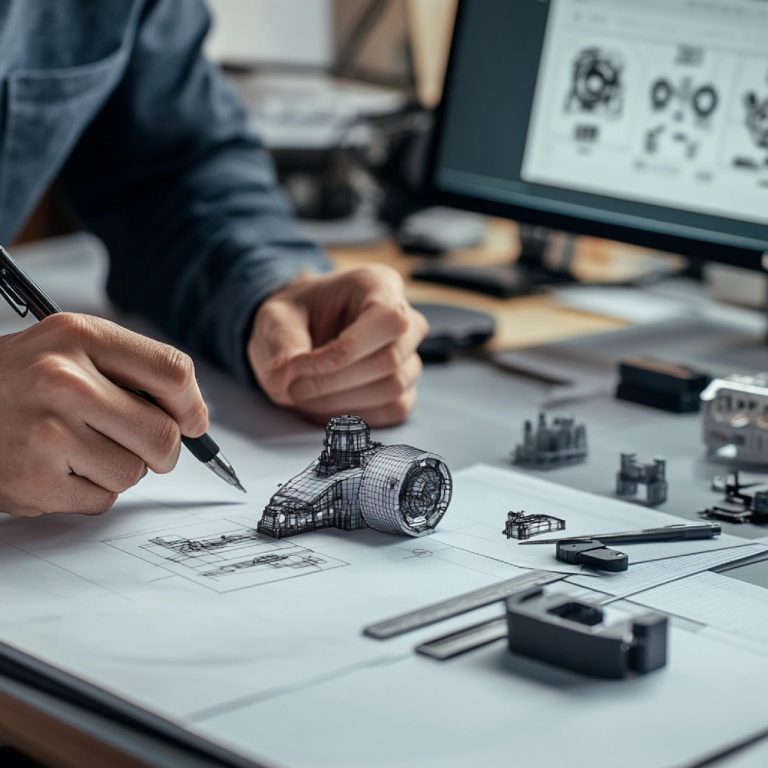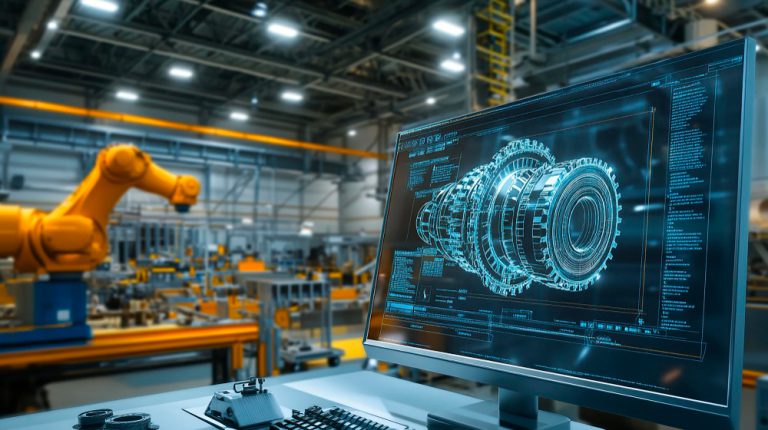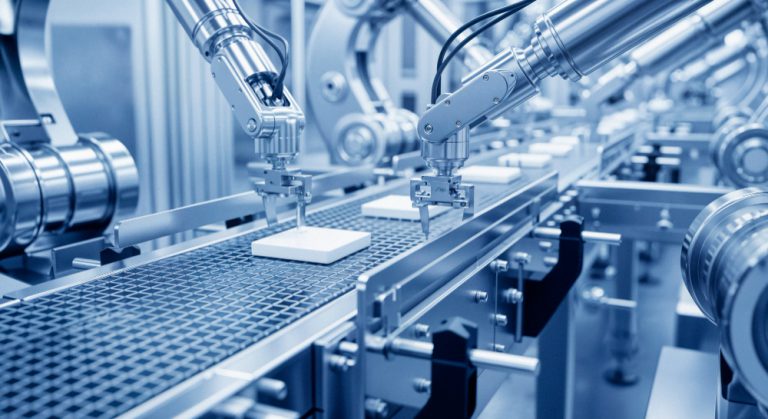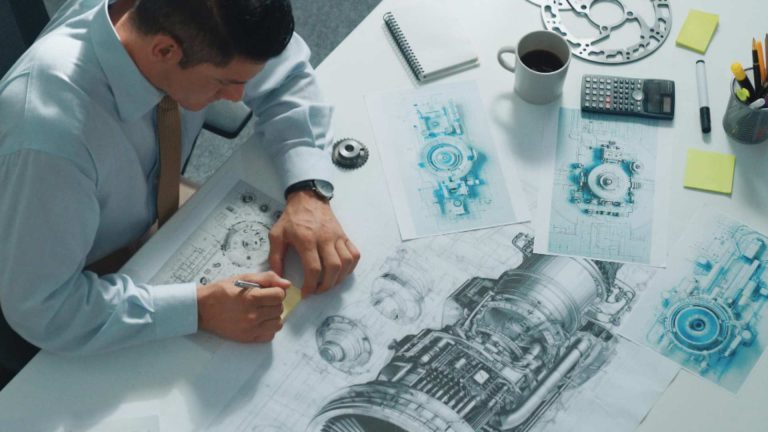
Modern industries are evolving at unprecedented speed, with new materials, technologies, and market expectations redefining how products are conceived and built. At the center of this evolution stands advanced product design, a discipline that merges imagination, data, and technology to create products that are not only functional but transformative. Unlike traditional design processes that relied heavily on manual drafting and limited prototyping, today’s design workflow is deeply digital, driven by simulation software, virtual modeling, and additive manufacturing techniques such as 3D printing. This integration enables companies to visualize, test, and refine products long before the first prototype is physically produced, saving time, reducing waste, and increasing precision.
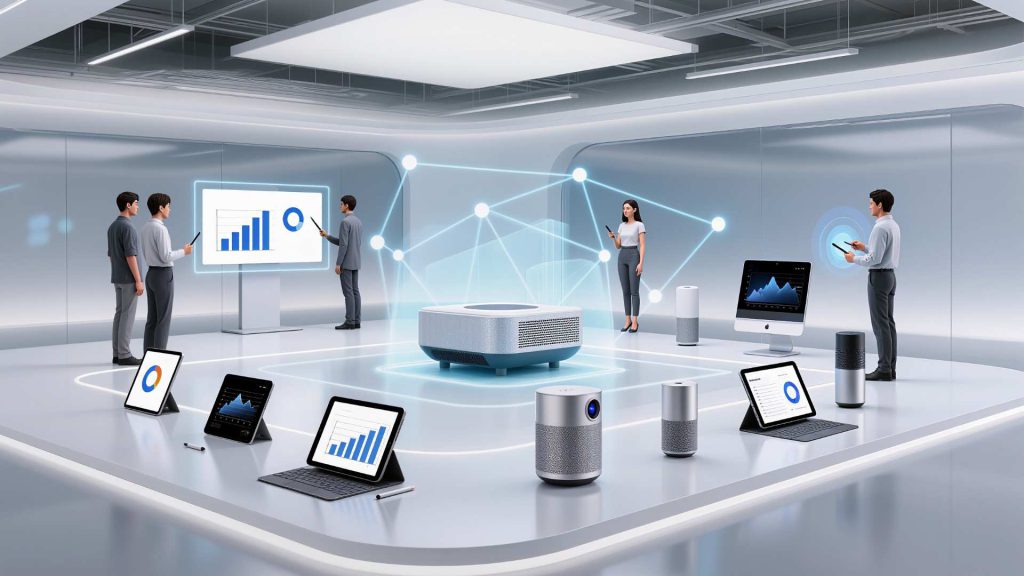
The true strength of advanced product design lies in its ability to connect creativity with manufacturability. Designers no longer work in isolation from engineers; instead, they collaborate through shared digital platforms that allow real-time feedback, optimization, and testing. This seamless communication ensures that every product is not only aesthetically refined but also structurally sound, efficient, and ready for mass production. As industries move toward shorter product lifecycles and customized solutions, such design agility becomes a strategic advantage that fuels continuous innovation.
The Role of Product Engineering
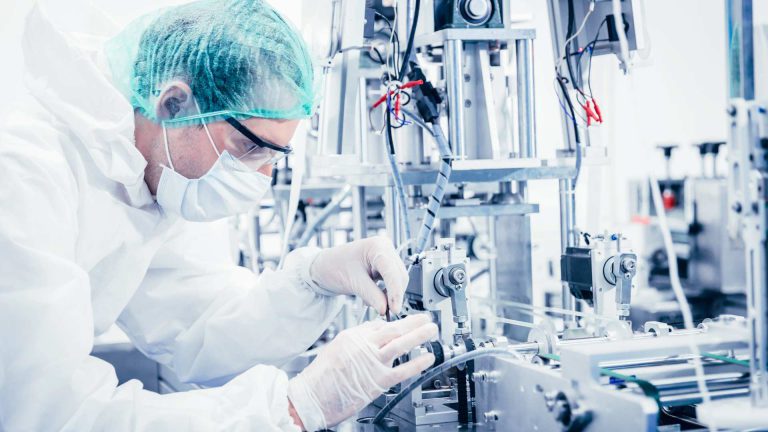
Engineering has always been the backbone of industrial development, but today’s challenges demand a new level of sophistication. Unique product engineering has emerged as a field that blends mechanics, electronics, materials science, and smart software systems into a single cohesive process. Engineers now operate in an environment where traditional boundaries no longer exist: 3D modeling tools allow for complex geometries, sensors provide real-time data, and advanced materials make products lighter and more resilient. This multidimensional approach means products are designed for performance, sustainability, and scalability from the very first sketch.
Through unique product engineering with Librus, industries can now manufacture components that were once impossible to produce. Additive manufacturing, for example, allows engineers to create intricate internal structures that enhance strength while minimizing material use. Moreover, digital twins and smart simulations enable ongoing optimization even after products reach the market. This approach turns every design into a dynamic system that evolves over time, incorporating user feedback, field data, and technological upgrades.
The Impact on Industrial Innovation
Industrial innovation no longer depends solely on groundbreaking ideas but on how effectively those ideas are translated into practical, scalable solutions. Advanced product design ensures that innovation is embedded into the DNA of every development stage. By allowing for rapid prototyping, designers and engineers can test multiple versions of a concept, evaluate performance under different conditions, and refine ergonomics before full-scale production. This iterative cycle not only accelerates time-to-market but also boosts reliability and user satisfaction.
The combination of advanced design and engineering also plays a key role in addressing sustainability goals. As industries seek to minimize environmental impact, digital design tools help evaluate the ecological footprint of materials and processes early in the project. This proactive approach enables the selection of lightweight, recyclable components and reduces waste during production. Companies that adopt this mindset achieve both environmental responsibility and competitive advantage, proving that efficiency and sustainability can coexist within industrial innovation.
Human Creativity Meets Digital Precision
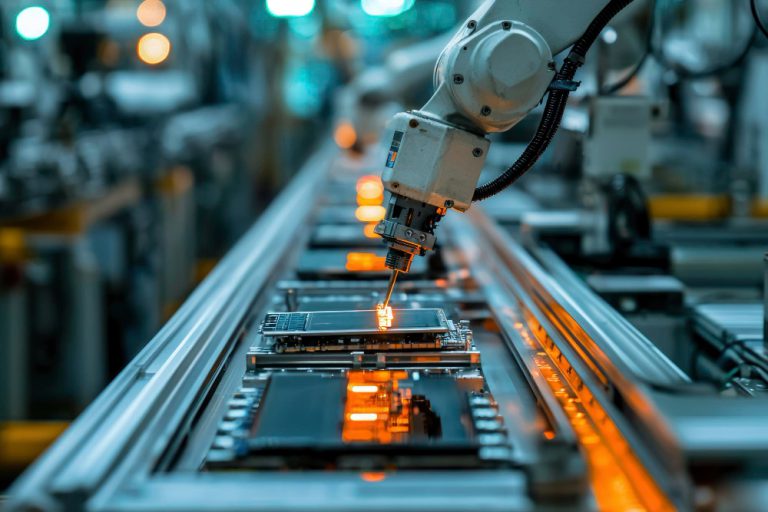
Despite the rapid rise of automation, robotics, and artificial intelligence, human creativity remains the driving force behind meaningful innovation. Engineers and designers are learning to harness digital tools as partners rather than replacements, using them to enhance rather than restrict imagination. Advanced product design provides the framework for translating visionary concepts into viable, manufacturable products, while engineering ensures every detail meets technical and functional standards. The collaboration between these disciplines defines the new industrial culture—one that values both artistry and accuracy.
The fusion of human insight with technological power is redefining what industries can achieve. As design and engineering become more integrated, companies can respond faster to changing markets, deliver smarter products, and maintain a consistent edge in an increasingly competitive environment. The partnership between advanced product design and product engineering is not just shaping the next generation of products – it is reshaping the very process of innovation itself, turning bold ideas into tangible realities that move industries forward. For more information contact Librus today.